
A RVer’s Guide to the Snake River Birds of Prey Area: If you’re an RVer lookin’ for a primo spot to camp and soak up some of the coolest wildlife sights across the USA, then the Morley Nelson Snake River Birds of Prey National Conservation Area in Idaho should be on your radar. This place is famous for hosting the highest concentration of nesting birds of prey anywhere in North America. Picture this — you’re parked up in your rig near the Snake River Canyon, sippin’ your morning coffee, and majestic hawks, falcons, and eagles are soaring overhead. That’s the real deal. This guide breaks down everything you need to know: the natural backdrop, best times to visit, where to park your RV, insider tips, safety, and even a bit about the history of conservation here. Whether you’re an old hand at birdwatching or just after a peaceful escape into nature, you’ll find the info you need right here.
A RVer’s Guide to the Snake River Birds of Prey Area
For any RVer craving a mix of rugged beauty, incredible wildlife, and laid-back camping, the Snake River Birds of Prey National Conservation Area is a true gem. Camp, hike, fish, and marvel at these magnificent hunters of the sky. Whether you’re a newbie or a pro birder, these landscapes offer jaw-dropping views and experiences you’ll remember forever. Hook up your RV and head to Idaho’s Snake River Canyon—you’ll be hooked, too. Just remember to tread lightly and keep this natural wonder alive for the future.
| Feature | Details |
|---|---|
| Location | 35 miles south of Boise, Idaho along 81 miles of the Snake River Canyon |
| Area Size | 485,000 acres |
| Number of Nesting Raptors | Over 700 pairs representing 15 species (including prairie falcons, golden eagles, peregrine falcons) |
| Best Birdwatching Period | March through June |
| Main Camping Options | Cove Recreation Site Campground (RV-friendly), primitive BLM campgrounds |
| Amenities at Cove Campground | 28 RV sites, vault toilets, dump station, fishing docks, boat ramp |
| Official Resources | BLM Morley Nelson Snake River Birds of Prey |
What is the Snake River Birds of Prey Area?
The Morley Nelson Snake River Birds of Prey National Conservation Area is a massive 485,000-acre patch carved out along 81 miles of the Snake River Canyon in southwest Idaho. Established by Congress in 1993 and managed by the Bureau of Land Management (BLM), it safeguards what’s considered by many experts as the densest concentration of nesting birds of prey in North America — possibly the world. Think hawks, falcons, eagles, and owls vying for primo nesting spots high on the canyon walls and desert plateaus. The thermal air currents here let these raptors glide and soar effortlessly while they hunt.
This area is not just about birdwatching; it’s an extraordinary ecosystem where predator-prey relationships keep the natural balance humming. The plateau’s rich cover of sagebrush and native grasses supports a crazy population of small burrowing mammals like Paiute ground squirrels, the main chow for prairie falcons. This abundance of prey means the raptor population thrives — or at least it did historically.
Ecological Importance
Raptors are the top predators here, and their health reflects the overall well-being of this ecosystem. By hunting rodents and other small mammals, they keep populations in check, preventing overgrazing that could destroy vegetation and impact other species. Beyond birds, the area supports a healthy badger population — one of the densest in the world — as well as bobcats, coyotes, and various reptiles and amphibians. This biodiversity makes the region a hotspot for ecological research and nature lovers alike.
However, modern challenges like wildfires and invasive species have disrupted prey populations, which in turn threaten some raptor populations. For example, the prairie falcon pair counts have dropped from around 230 historically to closer to 110 pairs more recently. This conservation concern is one reason the BLM actively manages and monitors the area to protect this fragile balance.
The Man Behind the Name: Morley Nelson
The name “Morley Nelson” honors a true American conservation hero whose lifelong passion was protecting raptors and their habitats. Morley Nelson arrived in Boise in the late 1940s, immediately smitten by the Snake River Canyon and its raptors. He spent decades studying and promoting these incredible birds through films, tours, and education efforts.
Morley was a pioneer falconer, known nationwide for his falconry demonstrations and media appearances, including work with Walt Disney and National Geographic. He helped bring the Snake River’s birds of prey to public and political attention, laying groundwork for Congress to establish this conservation area in 1993.
His approach was simple: get folks to connect emotionally with these birds by showing them in action. That legacy lives on today in the educational programs and conservation efforts in the area.
When to Visit: Best Times for Birdwatching and RV Camping
Want to time your trip right? Spring, from March through June, is absolutely prime time for birdwatching here. That’s when the raptors are busy nesting, feeding chicks, and teaching their young to fly.
- March: The eagle flight displays are like aerial ballets — breathtaking to watch.
- April and May: The feeding frenzy on baby birds is wild to witness.
- Early June: Watch the chicks fledge and take their maiden flights.
Summer offers great weather but can get hot, and some bird activity slows down, while winter brings quiet beauty but is colder and sometimes snowy. So plan your RV gear accordingly.
Where to Camp: A RVer’s Guide to the Snake River Birds of Prey Area
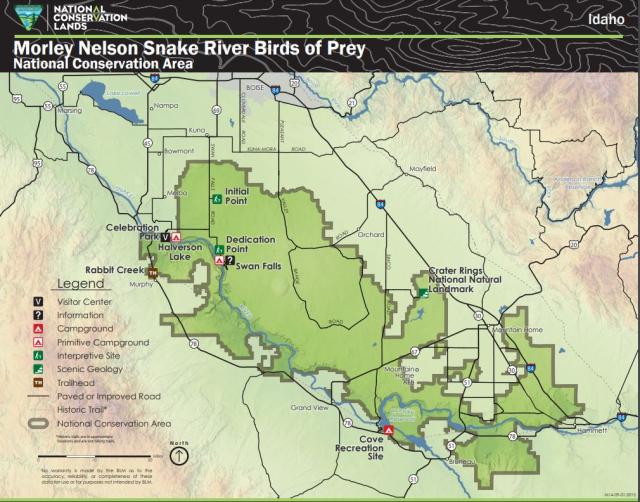
Cove Recreation Site Campground
The go-to spot for RV camping is the Cove Recreation Site Campground by the C.J. Strike Reservoir inside the conservation area. This campground combines convenient amenities with scenic waterside views.
Key features:
- 28 RV sites on gravel pads, suitable for larger rigs.
- Vault toilets and a dump station to handle your necessities.
- Boat ramps and fishing docks if you’re up for angling.
- Pet-friendly, so your dogs can tag along on your adventures.
Most campers love this site for its peaceful setting and access to both land and water activities.
Primitive BLM Campgrounds
For those who like their camping raw and closer to nature, the BLM runs two primitive campgrounds near Swan Falls and the visitor center area. These sites are free and first-come, first-served, offering dirt road access and zero hookups.
You’ll need to bring in your own water and supplies, and be prepared for no frills — just the sounds of the canyon and pure starry nights. The rustic vibe is well worth it for those looking to unplug and get real close with the wilderness.
Pro Camping Tips
- Arrive early during peak season to snag the best spots, especially in the primitive campgrounds.
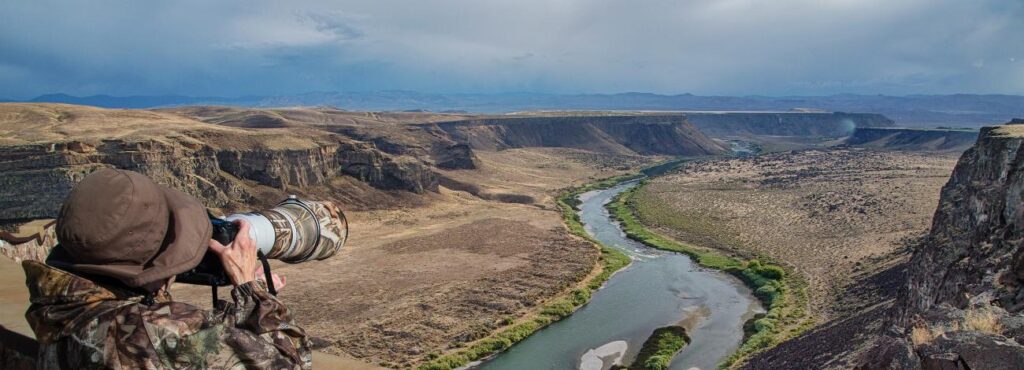
- Bring binoculars and a zoom camera lens for the best birdshots.
- Respect quiet hours and keep noise down to avoid disturbing wildlife.
- Have antiperspirant and sunscreen handy; the desert sun is intense.
- Check local weather reports and be prepared for sudden chilly snaps.
What to Expect: Activities & Wildlife Watching
Beyond the binoculars and bird guides, there’s a bunch of ways to soak in this place:
- Scenic Drives: Take the 56-mile loop drive for pull-offs and views overlooking raptor nests and the canyon.
- Hiking: Trails of varying lengths thread through the area, some leading to historic petroglyph sites and wildlife viewing points.
- Fishing and Boating: C.J. Strike Reservoir is ideal for water-sport lovers who want to cast a line or paddle.
- Visit Celebration Park: See ancient Native American rock art and glimpse a bit of local culture.
- Wildlife: Apart from raptors, keep an eye out for pronghorn antelope, deer, badgers, and a variety of reptiles.
Safety and Accessibility
Enjoy the wilderness, but safety first:
- Keep your distance from nests — the raptors and animals need their space.
- Rattlesnakes are common, especially in warm weather; watch your step.
- Carry plenty of water and sun protection — the desert can dehydrate you fast.
- Road quality varies; check if your RV can handle some gravel or dirt.
- Facilities at Cove Campground have some ADA accommodations, but primitive sites do not. Check ahead with BLM for detailed accessibility info.
Nearby Attractions
Want to explore further? Nearby highlights include:
- Oregon National Historic Trail: Walk sections of this iconic pioneer route preserved in the area.
- Boise City: Just 35 miles north for museums, dining, and cultural events.
- Snake River Wine Country: Great for wine tasting and relaxing day trips.
- Hot springs and wildernesses: Scattered around southwest Idaho, perfect for a detour if you’ve got time.
Conservation Efforts: How You Can Help
The area faces ongoing challenges like wildfire damage and invasive grasses that reduce prey habitats. The BLM runs restoration projects and encourages visitors to stick to trails, pack out trash, and participate in volunteer programs. By respecting the land and wildlife, you’re ensuring these birds have a safe home for generations to come.
6 Epic RV Trips for Exploring Southwest Idaho
Exploring the Snake River Birds of Prey Area: An RV Guide
The RVer’s Guide to Dispersed Camping in the Sawtooth National Forest