
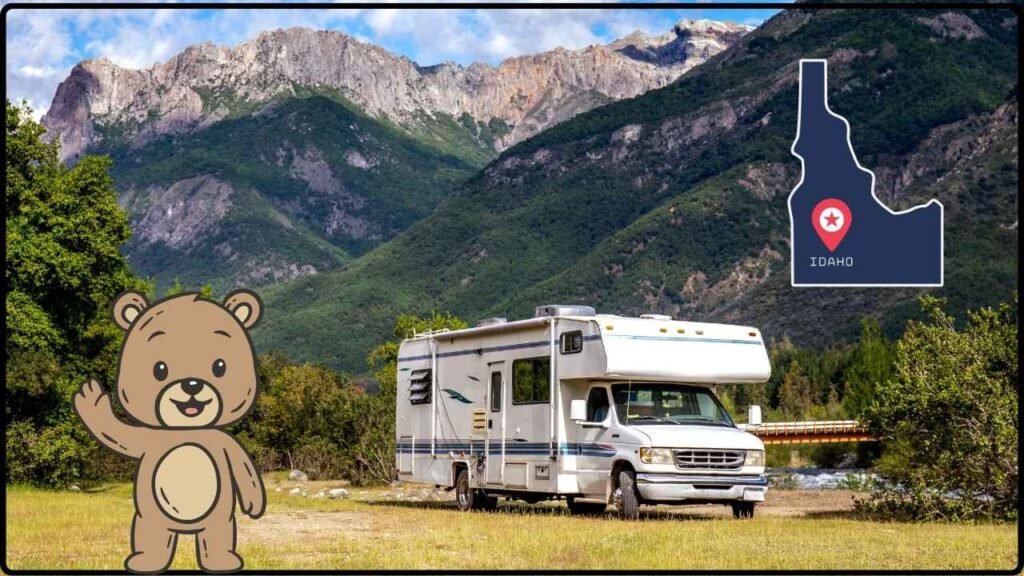
Staying “Bear Aware”: When you’re hitting the road and rolling into Idaho’s wild and beautiful landscapes with your RV, one thing you gotta keep top of mind is staying bear aware. Idaho is home to some seriously majestic bears — mostly black bears, but grizzlies also roam key parts of the state. These critters are awesome to admire from a distance, but RVers need to take every precaution to avoid run-ins that could turn dangerous. Whether you’re a seasoned road-tripper or a newbie camper, this guide breaks down everything you need to know to keep you and the bears safe, making your Idaho camping adventure nothing but good vibes.
Staying “Bear Aware”
RV camping in Idaho offers epic outdoor experiences alongside stunning wildlife. But protecting both yourself and the bears means being savvy about where you camp, how you manage food and waste, and how you respond during encounters. Follow these practical tips, carry your bear spray, and treat the wilderness with respect — and you’ll make unforgettable memories while keeping naturе wild and safe.
| Topic | Details |
|---|---|
| Most common bears in Idaho | Black bears, some grizzly populations in parts |
| Safe food storage | Use bear-resistant containers, keep food out of tents |
| Minimum safe distance | At least 300 feet (about 100 meters) away from bears |
| Bear spray recommended | Carry and know how to use bear spray |
| Best camping practice | Cook and eat 100 yards away from sleeping areas |
| Grizzly habitat zones | Northern & eastern Idaho, near Yellowstone; forests & meadows |
Why It’s Important for Staying “Bear Aware”?
Idaho’s wilderness is a bear’s playground, and with more people heading outdoors every year, conflicts between humans and bears are a real concern. According to Idaho Fish and Game, there have been hundreds of bear sightings and some dangerous encounters in recent years, often pushed by food attractants left out in campsites and improper food storage. Black bears can weigh up to 400 pounds, and grizzlies even more, so it’s no joke if these creatures get too curious about your camp.
Understanding bear population growth and range expansion in Idaho is key. Thanks to conservation efforts, both black and grizzly bear populations have been increasing, which is great for wildlife balance but means more potential for close encounters with outdoor enthusiasts. Black bears are widespread north of the Snake River Plain, thriving in forested mountains and sage-steppe foothills. Grizzlies, meanwhile, are mostly confined to northern and eastern Idaho, especially near Yellowstone and the Selway-Bitterroot wilderness areas. This growth makes it even more critical for RVers and campers to be fully prepared and informed on safety practices.
The key takeaway? Proper precautions prevent accidents and help keep wildlife wild. This means being smart about how you store food, set up camp, and handle bear encounters. Not sure where to begin? Let’s dive into some straight-up, practical advice.

Understanding Idaho’s Bears: The Players in Your Backyard
Black Bears vs. Grizzly Bears: Distribution, Habitat, Behavior
Most of the bear activity in Idaho involves black bears, generally less aggressive and more solitary. These bears are found predominantly in forested mountain ranges, foothills, and sage-steppe regions north of the Snake River Plain. Black bears require habitats with dense cover, such as old growth forests with ample food sources like berries, nuts, and insects. Their home ranges vary by sex, age, and food availability, but can span dozens of square miles, showing their need for large, connected natural habitats.
Black bears hibernate through winter, using dens in hollow trees, caves, or excavated ground under fallen logs. Their denning typically begins between mid-October and November, with emergence around mid-April to May.
In contrast, grizzly bears are larger, more powerful, and tend to be more defensive if surprised. They inhabit northern and eastern Idaho in rugged mountain areas—especially around Yellowstone, Selway-Bitterroot, and Cabinet-Yaak ecosystems. Grizzlies prefer a mix of open shrublands, alpine meadows, riparian zones, and dense forests, feeding seasonally on roots, berries, insects (like army cutworm moths), fish, and small mammals.
Grizzlies have very large home ranges, sometimes up to several hundred square miles, given the need for diverse food and low human disturbance. Their habitat tends to be secure, rugged terrain with slopes between 30-60 degrees to find den sites. They den in caves, rock outcrops, or digs under tree roots. Grizzly bear recovery zones in Idaho are monitored actively due to their threatened status.
Understanding which bear species you’re in bear country with helps you adapt your safety strategies accordingly.
Practical Advice for RVers: How to Stay Bear Aware
1. Food and Trash: The #1 Attractant to Avoid
Nothing draws a bear in like the smell of food. Bears have a legendary sense of smell, far surpassing dogs, and can detect food miles away if given the chance. To reduce the risk of attracting a hungry bear:
- Store all food, garbage, and anything scented in bear-resistant containers or inside your hard-sided RV. This includes not just snacks and meals but toiletries like toothpaste and deodorant, as their odors can invite curiosity.
- Never leave food or coolers unattended outside, and make sure your pet’s food is put away after feeding. Even discarded wrappers and scraps should be treated like food.
- Cook, eat, and clean dishes at least 100 yards (about 90 meters) away from your sleeping areas. This physical separation helps keep food smells away from your safe zone.
- Maintain a spotless campsite by picking up trash daily, storing garbage in bear-proof bins, or packing it out with you. Burying food scraps or dumping grease is a no-go since bears have learned to sniff out campsite leftovers.
2. Campsite Setup and Behavior: How to Limit Risk
- Choose campsites with good visibility and away from obvious animal trails or bear activity (signs like tracks or scat). This reduces surprise encounters.
- Always sleep in your RV or a hard-sided camper if possible, rather than tents, as these provide much better bear resistance.
- Separate food prep/eating areas from where you sleep, ideally by 100 yards or more.
- Be vigilant during dawn and dusk—bears are most active at these times; make noise when you move around your camp to alert bears of your presence.
3. Carry Bear Spray and Know How to Use It
Bear spray is one of the most effective non-lethal deterrents available. It creates a cloud of capsaicin derivatives that cause intense irritation in a bear’s eyes and respiratory system, prompting them to retreat.
- Always keep your spray easily accessible—don’t bury it in your backpack.
- Know how to deploy it quickly and aim slightly downward into the wind.
- Practice with an inert canister if possible to reduce fumbling in emergencies.
- Bear spray is preferred over firearms for most encounters because it stops aggression without risking lethal harm to the bear or yourself.
4. Encounter Protocols: What To Do If You See a Bear
- Keep calm and don’t run. Running can trigger a chase response.
- Speak calmly and back away slowly sideways while facing the bear. Avoid direct eye contact, especially with grizzlies.
- Make yourself look as big as possible by raising arms or holding your jacket open.
- If a bear approaches, deploy bear spray when the bear is within 20-30 feet.
- Never feed or try to touch a bear—this increases danger for you and the animal.
- Give the bear an escape route, and if it leaves, stay alert to nearby bears possibly following.
Tips on Preparation and Extra Gear for RVers
Bear-Proof Your RV and Campsite
To make your campsite a no-go zone for bears:
- Use bear-proof trash cans with locking lids.
- Seal RV vents and doors, especially if cooking smells linger inside.
- Store food in bear-proof lockers or secure containers off the ground.
- Keep pets leashed or inside the RV; loose pets can provoke bears or attract them.
Noise Makers and Lighting
- Bring air horns, bear bells, or whistles to warn bears when hiking or working around camp.
- Motion-activated lights help deter bears encroaching at night.
- Keep a whistle or air horn handy to scare off bears from a distance.
Emergency Preparedness
- Know local emergency contacts for wildlife or park rangers.
- Report bear encounters promptly — this helps wildlife managers track bear activity and respond quickly.
- Keep a charged phone or radio in your RV for emergencies.
The Ecology of Bears in Idaho and Seasonal Behavior
Knowing how bears behave throughout the year helps you prepare better:
- Spring (April to June): Bears emerge hungry from winter dens, traveling low elevation areas for roots and early foods.
- Summer (July to September): Their diet diversifies to berries, insects, fish, and small mammals. This is the peak period for camping, so extra food-care is vital.
- Fall (September to October): Bears eat heavily to build fat reserves before denning, often visiting rugged areas for moths and nuts.
- Winter (November to March): Bears hibernate in dens, reducing encounters but not eliminating risks in southern zones with milder winters.
Real-Life Stories and Lessons Learned
One RVer shared how a bold black bear kept returning after sensing food from coolers left outside overnight. After switching to bear-resistant containers and never leaving food outside, the visits stopped completely. This real-world case shows how simple changes can protect campers and bears alike.
Another camper in the Selway-Bitterroot area recounted hearing bear calls at night and noticing fresh paw prints near their RV spot. Being aware of grizzly presence, they remained inside, used bear spray responsibly, and avoided confrontations. Their preparedness ensured no incident, highlighting how respect and caution pay off.
Why These Steps Matter: Statistics and Real-World Impact
Research shows that most human-bear conflicts arise from improper food storage or careless campsite habits. Idaho Fish and Game data suggest that camps adhering to bear-aware practices experience far fewer problems.
Due to successful conservation, Idaho’s black bear population is flourishing, and grizzly numbers are slowly recovering. This increase means RVers will encounter bear habitat more frequently, making knowledge and vigilance essential.
RV Trip Planner: Exploring Craters of the Moon National Monument