

Neither 1 Nor 3 Times a Year: If you’re like most folks, you probably don’t think much about your pillows—until they start smelling funky or your allergies flare up. But here’s the real deal: how often you wash your pillows can make a big difference in your health and sleep quality. Turns out, neither washing your pillow just once a year nor three times is the magic number. Experts actually recommend washing your pillows between two and four times a year—roughly every 3 to 6 months—to keep them clean, fresh, and free of allergens.
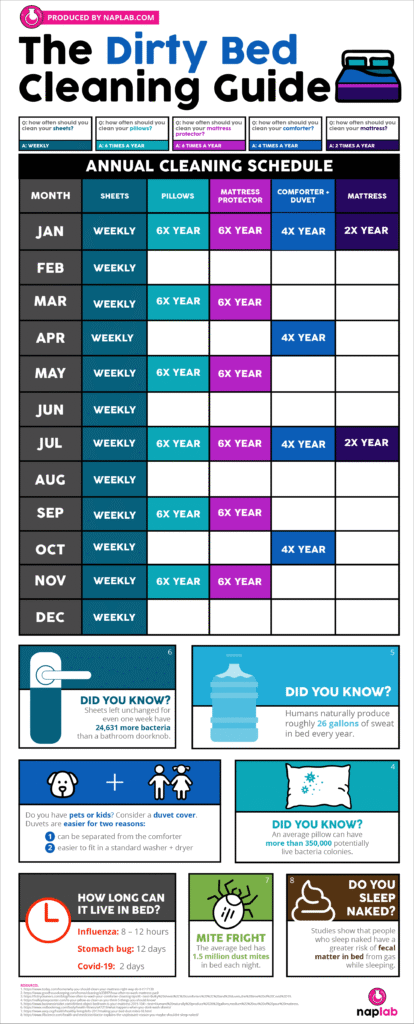
Your pillow is a magnet for dust mites, dead skin, sweat, and even bacteria. A study found that an unwashed pillowcase can harbor more bacteria than a toilet seat after just one week of use. That’s wild, right? Over time, these gunk-builders can lead to allergies, acne, and even respiratory irritation, especially if you’re prone to those issues. Plus, a clean pillow feels better and lasts longer—so it’s a win-win for your health and wallet.
Pillow-Washing Schedule
Keeping your pillows clean isn’t just about comfort—it’s about health. Washing your pillows 2–4 times a year (every 3–6 months), using protectors, and replacing them every 2–3 years is the best routine for a fresh, allergen-free sleep. With a few simple steps, you can rest easy knowing your pillow is as clean as your sheets.
| Key Fact | Expert Recommendation |
|---|---|
| Washing frequency | 2–4 times a year (every 3–6 months) |
| Pillowcase washing | Weekly |
| Pillow replacement | Every 2–3 years |
| Allergy-prone individuals | Wash more often, use hypoallergenic covers |
| Benefits of regular washing | Fewer allergens, better sleep, longer lifespan |
Why Pillow Hygiene Matters?
Your pillow is a magnet for dust mites, dead skin, sweat, and even bacteria. A study found that an unwashed pillowcase can harbor more bacteria than a toilet seat after just one week of use. That’s wild, right? Over time, these gunk-builders can lead to allergies, acne, and even respiratory irritation, especially if you’re prone to those issues. Plus, a clean pillow feels better and lasts longer—so it’s a win-win for your health and wallet.
The Science Behind Pillow Dirt
Pillows accumulate millions of bacteria, fungi, and dust mites over time. Research shows that after just one week, an unwashed pillowcase can contain 3 million colony-forming units (CFUs) of bacteria per square inch—that’s 17,000 times more than what’s found on a toilet seat. By the end of a month, this number can jump to over 12 million CFUs, making your pillow a breeding ground for harmful microbes. Regular washing drastically reduces this buildup, keeping your sleep environment healthier.
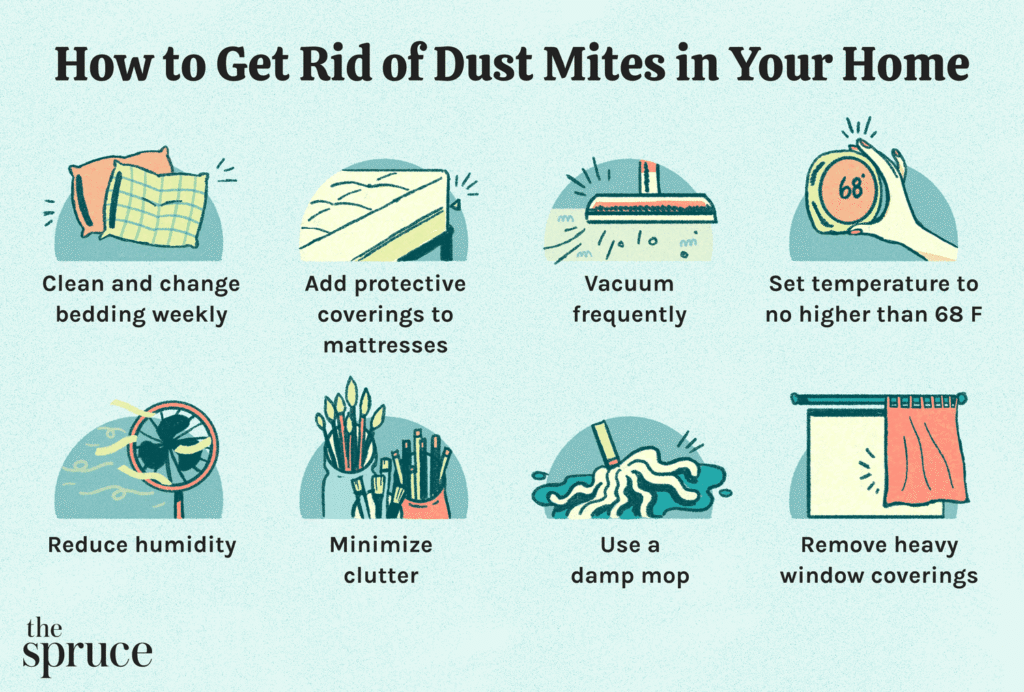
Breaking Down the Pillow-Washing Schedule
Step 1: Know Your Pillow Type
Not all pillows are created equal. Some—like memory foam and latex—should never go in the washing machine. Instead, spot-clean them with a damp cloth and mild soap, then air them out. Other pillows, like down, feather, or synthetic fill, can usually be machine-washed. Always check the care label first to avoid ruining your pillow.
Step 2: Set a Realistic Schedule
Experts agree: washing your pillows every 3 to 6 months is the sweet spot for most people. If you sweat a lot, eat in bed, or have allergies, bump it up to every 2–3 months. For those with sensitive skin or respiratory issues, washing at higher temperatures (60°C/140°F) helps kill dust mites and bacteria.
Step 3: Wash the Right Way
- Machine Washable Pillows: Use a gentle cycle with mild detergent. Wash two at a time to balance the load. Tumble dry on low, or air dry completely to prevent mold.
- Spot Cleaning: For non-washable pillows, use a damp cloth with a drop of mild soap. Never soak or wring out memory foam or latex pillows.
- Pillow Protectors: Use them! They act as a first line of defense, keeping your pillow clean longer.
Step 4: Keep Pillows Fresh Between Washes
- Fluff and Rotate: Give your pillows a daily shake to keep them plump and reduce dust buildup.
- Sun-Dry: Let your pillows bask in the sun for 10–15 minutes once a week. UV rays help kill bacteria and freshen up the smell.
- Replace When Needed: Pillows lose support and hygiene over time. Replace every 2–3 years, or sooner if they’re lumpy or flattened.
Pro Tips for a Cleaner, Healthier Sleep
- Wash Pillowcases Weekly: This is the easiest way to cut down on bacteria and oil buildup.
- Use Hypoallergenic Covers: Especially if you have allergies, these covers help trap dust mites and allergens.
- Don’t Forget the Mattress: Wash your mattress protector and sheets regularly, too. They all work together to keep your sleep space clean.
Step-by-Step Guide to Washing Pillows
Step 1: Check the Care Label
Always read the care label on your pillow. Some pillows require hand washing, while others are machine washable. This simple step prevents accidental damage.
Step 2: Remove Pillowcases and Protectors
Take off the pillowcases and protective covers, which can be washed separately in the machine.
Step 3: Pre-Treat Stains
If you see any stains, treat them with a gentle stain remover before washing. Avoid harsh chemicals, as they can damage the pillow’s fabric.
Step 4: Load the Washing Machine
Place two pillows in the machine to balance the load. If you only have one, add towels to keep the machine balanced.
Step 5: Add Detergent
Use a mild laundry detergent. Avoid bleach or fabric softeners, which can leave residue and reduce breathability.
Step 6: Choose the Right Cycle
Select the gentle or delicate cycle with warm or cold water. Avoid hot water, as it can damage pillow fibers.
Step 7: Rinse Thoroughly
Run an extra rinse cycle to remove all detergent residue, which can attract dirt and irritate skin.
Step 8: Dry Properly
Tumble dry on low heat with tennis balls or dryer balls to prevent clumping. Air dry completely if you don’t have a dryer. Make sure your pillow is bone dry to prevent mold.
Eco-Friendly and Alternative Cleaning Methods
- Spot Cleaning: If your pillow isn’t due for a full wash, try spot cleaning with a mix of water and mild detergent. For eco-friendly cleaning, use a solution of water and a few drops of vinegar (but never soak the pillow).
- Baking Soda: Sprinkle baking soda on your pillow, let it sit for 30 minutes, then vacuum thoroughly to remove odors and dust.
- Steam Cleaning: For pillows that can’t be washed, use a steam cleaner to sanitize and refresh them. This method is especially good for allergy sufferers.
- Freezing: For extra allergen control, place pillows in a sealed plastic bag and freeze them overnight to kill dust mites and bacteria, then air them out.
Drying Tips for Pillow-Washing Schedule
- Air Dry: Lay your pillows flat on a clean towel in a well-ventilated area or under direct sunlight. Flip them periodically for even drying.
- Tumble Dry: Use a low heat setting and add clean tennis balls or dryer balls to prevent clumping and help fluff your pillows.
- Check for Moisture: Make sure your pillows are completely dry before using them again. Damp pillows can develop mildew, which is bad news for your health.
Benefits of Washing Pillows for Skin and Health
Regularly washing your pillows does more than just keep them smelling fresh—it’s a game-changer for your skin and overall health. Clean pillows help prevent clogged pores, reduce acne breakouts, and keep your skin looking clear and healthy. When you sleep on a dirty pillow, the oils, sweat, and bacteria transfer to your face, increasing the risk of irritation and blemishes. By washing your pillow regularly, you create a healthier environment for your skin to rest and rejuvenate overnight.
Pillows and Allergies: What You Need to Know
Pillows are a breeding ground for allergens, including dust mites, mold, and pet dander. If you suffer from allergies, washing your pillow more frequently—every 2–3 months—can significantly reduce your symptoms. Using hypoallergenic pillow covers and washing your pillow at high temperatures (60°C/140°F) helps eliminate allergens and bacteria, making for a better night’s sleep.
Debunking Pillow-Washing Myths
Myth: “A Pillowcase Is Enough Protection”
While pillowcases do offer some protection, they aren’t foolproof. Sweat, oils, and dead skin cells can still seep through and settle in your pillow, feeding dust mites and bacteria. For true hygiene, wash your pillow itself—not just the case.
Myth: “Washing Pillows Ruins Them”
If you wash your pillows properly—using a gentle cycle, mild detergent, and thorough drying—you’ll actually extend their life and keep them supportive and fresh. Harsh chemicals and improper drying are what cause damage, not regular washing.
Myth: “You Only Need to Wash When They Look Dirty”
Even if your pillow looks clean, it’s still accumulating allergens, bacteria, and dust mites. Experts recommend washing every 3–6 months, regardless of appearance, to maintain optimal hygiene.
Special Care for Different Pillow Materials
Down and Feather Pillows
These pillows can be machine-washed on a gentle cycle, but use a mild detergent and double rinse to remove all soap residue. Tumble dry on low with dryer balls to restore fluffiness.
Synthetic Pillows
Synthetic pillows are usually machine-washable and can handle more frequent cleaning. Follow the same gentle washing and drying steps as with down and feather pillows.
Memory Foam and Latex Pillows
These materials should never be soaked. Instead, spot-clean with a damp cloth and mild soap, then air dry completely. Avoid direct sunlight, which can degrade the foam.
When to Replace Your Pillow
Even with regular washing, pillows eventually lose their support and become less hygienic. Experts recommend replacing pillows every 2–3 years, or sooner if they’re lumpy, flattened, or don’t bounce back when folded. If you wake up with neck pain, headaches, or allergies, it might be time for a new pillow.
5 Urgent Money Moves to Make Before 2026; Build Wealth and Save Thousands Starting Jan 1
45 Genius Money-Saving Hacks From People Who Live Alone; You’ll Wish You Knew These Sooner